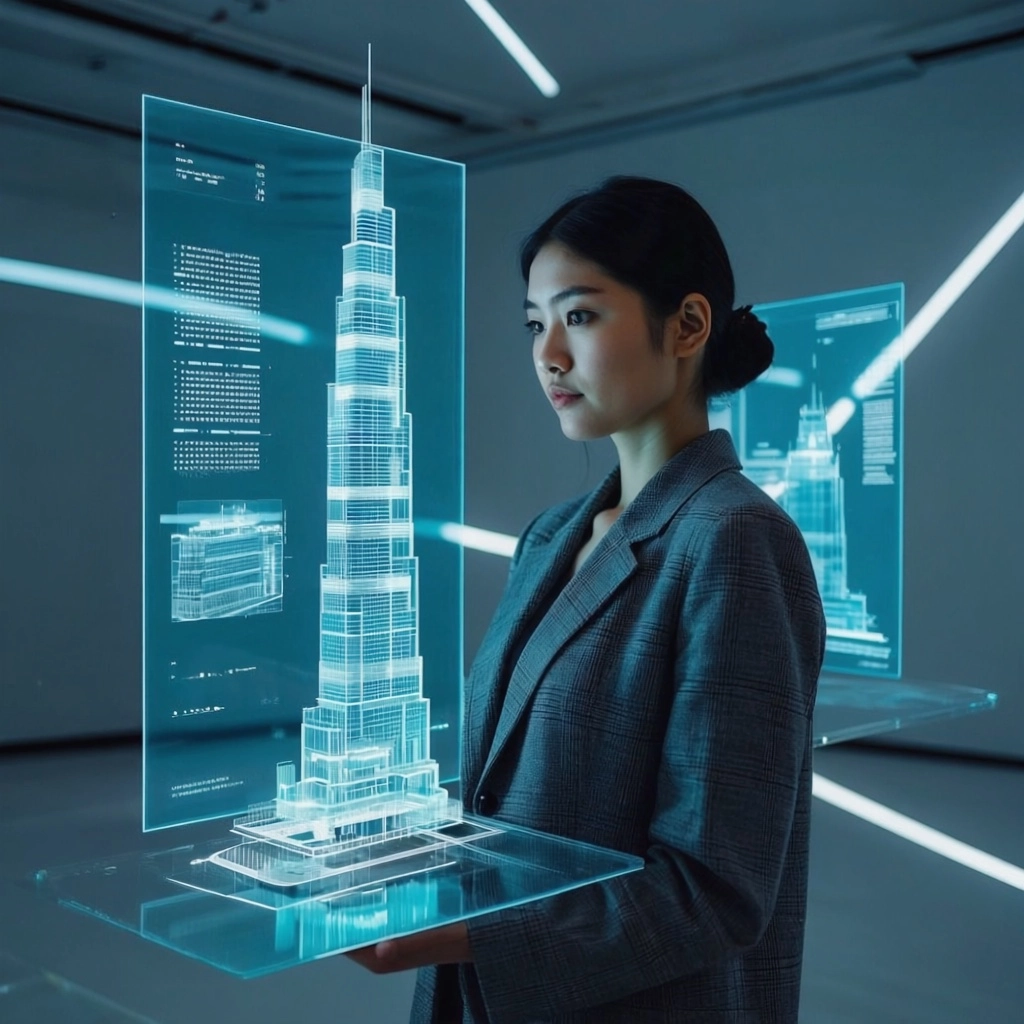
Smart Buildings, Digital Twins & Responsive Architecture: How Intelligent Technology Is Transforming Commercial Design in Maine
“Discover how Ervin Architecture integrates smart building technologies, digital twins, and responsive architectural systems to deliver high-performance commercial buildings in Maine. Learn how intelligent design is shaping the future of sustainable development and enhancing long-term building value.”
Smart Buildings, Digital Twins & Responsive Architecture: The Intelligent Future of Commercial Design
Commercial architecture is evolving faster today than at any other point in modern history. As buildings become more complex, sustainability targets more ambitious, and occupant expectations more sophisticated, architects are turning to intelligent technologies to create high-performing environments that adapt to real-world conditions.
Smart buildings, digital twins, and responsive architectural systems are no longer futuristic ideas—they are becoming essential tools in commercial development across the country. In Maine, where climate challenges, aging infrastructure, and rising sustainability expectations intersect, these technologies offer opportunities for improved performance, cost savings, and resilient design.
At Ervin Architecture, we are committed to integrating advanced building intelligence into our commercial projects, enabling the structures we design to be self-aware, adaptive, efficient, and deeply connected to their users. This article explores how these technologies work, why they matter, and how they are transforming the built environment in Maine.
What Is a Smart Building?
A smart building is a structure equipped with technology systems that automatically monitor, analyze, and respond to conditions in real time. These systems integrate sensors, automation devices, data analytics, and building management platforms to enhance performance, safety, comfort, and sustainability.
Smart buildings typically connect systems such as:
- HVAC (heating, ventilation, air conditioning)
- Lighting
- Security & access control
- Energy metering
- Occupancy sensing
- Fire detection
- Shading systems
- Moisture & leak detection
- Indoor air quality monitoring
These systems don’t just report data—they act on it. A smart building adjusts its own behavior to optimize performance.
Why Smart Buildings Matter for Maine
Maine’s climate, building stock, and business environment create ideal conditions for smart building innovation.
1. Energy Optimization in a Four-Season Climate
Maine experiences wide temperature swings, intense winter heating demands, and coastal humidity challenges.
Smart systems offer:
- Reduced heating costs
- Automated peak demand management
- Precision ventilation control
- Real-time humidity management
This improves comfort while reducing operational expenses for commercial owners.
2. Aging Infrastructure & Renewal Cycles
Many Maine commercial buildings were constructed decades ago. Smart technology upgrades extend their useful life, enhance safety, and modernize HVAC and electrical performance.
3. Sustainability Goals & Carbon Reduction
Maine has aggressive climate action targets. Smart buildings help owners achieve:
- LEED certification
- Zero-net-energy performance
- Operational carbon reductions
- Predictive energy modeling
- Real-time emissions monitoring
For developers and municipalities, this supports long-term climate resilience.
4. Workforce & Tenant Expectations
Employers want healthier, more adaptable workplaces.
- Smart buildings improve:
- Air quality
- Acoustics
- Lighting quality
- User comfort
- Space efficiency
This leads to higher tenant satisfaction and better employee performance.
The Rise of Digital Twins
A digital twin is a dynamic, virtual replica of a building that continuously updates based on real-time data from its physical counterpart. Imagine a 3D model that breathes—one that senses, learns, and helps predict outcomes before they happen.
Digital twins integrate data from:
- IoT sensors
- HVAC systems
- Occupancy analytics
- Energy meters
- Weather feeds
- Security systems
- Envelope performance sensors
This creates a live mirror of the building’s performance that owners, facility managers, and architects can analyze and optimize.
How Ervin Architecture Uses Digital Twins
Digital twins are game-changing tools in three phases:
1. DESIGN PHASE — Better Decisions Before Construction Begins
Digital twins allow us to test countless design strategies before breaking ground, including:
- Energy performance
- Envelope efficiency
- Natural lighting
- Airflow modeling
- Acoustics
- Carbon footprint
- Cost impacts
This results in better-performing buildings and fewer surprises during construction.
2. CONSTRUCTION PHASE — Real-Time Tracking & Coordination
During construction, digital twins act as:
- Quality control tools
- Workflow optimizers
- Clash detection systems
- Progress trackers
Contractors use the digital twin to visualize building systems and detect potential conflicts early.
3. OPERATION PHASE — Smarter Buildings for Decades
After occupancy, digital twins help owners:
- Predict maintenance needs
- Reduce energy costs
- Identify inefficiencies
- Simulate renovations
- Plan system upgrades
- Monitor air quality
- Track long-term building health
For commercial clients in Maine, this level of insight is essential for long-term operational success.
Responsive Architecture: Buildings That Adapt
Responsive architecture refers to buildings that physically adjust to environmental or user-driven conditions. These systems can operate automatically or semi-automatically depending on the design.
Examples include:
- Dynamic shading screens that reposition to reduce solar heat gain
- Electrochromic glazing that adjusts tint depending on sunlight intensity
- Operable façades that open or close based on ventilation needs
- Adaptive acoustic panels that adjust to sound levels
- Smart louvers that react to wind or daylight conditions
- Light systems that shift color temperature to match circadian rhythms
Responsive buildings create environments that are more comfortable, more efficient, and more aligned with human behavior.
The Technology Behind Smart Buildings
Several technologies make smart building systems possible, including:
1. IoT (Internet of Things) Sensors
Collect real-time data about:
- Temperature
- CO₂ levels
- Humidity
- Occupancy
- Light levels
These sensors help adjust systems automatically.
2. AI-Driven Analytics
AI can predict:
- Energy demand
- HVAC needs
- Maintenance schedules
- Equipment failure
This improves efficiency and reduces downtime.
3. Automated Building Management Systems (BMS)
These systems control everything from ventilation to lighting to security.
4. Cloud-Connected Infrastructure
Cloud computing allows building data to be processed faster, stored longer, and analyzed at scale.
5. Machine Learning
Buildings learn from their own performance.
For example:
- If a conference room overheats at 2 PM every day, the building will adjust automatically on future days.
Smart Strategies Ervin Architecture Integrates Into Commercial Projects
As a leading Maine commercial architect, we implement intelligent building systems tailored to local climate and client needs.
Our strategies include:
- Automated geothermal integration
- High-efficiency heat pump optimization
- Smart envelope sensors
- LED daylight-mimicking lighting systems
- Occupancy-responsive HVAC zones
- Intelligent shading
- Smart material selection
- Real-time energy dashboards
- Moisture and mold-detection systems (critical in Maine)
We design every building with adaptability at its core.
The Benefits for Commercial Clients in Maine
Smart buildings offer significant long-term value:
1. Lower Operational Costs
- HVAC optimization
- Reduced peak-demand charges
- Automated lighting and shading
- Efficient ventilation
- Reduced maintenance
2. Increased Tenant Satisfaction
Tenants value buildings that are healthier, more comfortable, and technologically advanced.
3. Higher Property Value
Smart buildings outperform conventional buildings in resale and appraisal value.
4. Resilience & Reliability
Buildings operate more predictably and recover faster from disruptions.
5. Sustainability Compliance
Smart buildings support all major certifications, including:
- LEED
- WELL
- Passive House
- Zero-Net-Energy
The Future of Intelligent Commercial Architecture in Maine
Over the next decade, intelligent building technologies will become standard practice.
We expect:
- Predictive energy strategies
- Self-healing façades
- Fully autonomous building systems
- AI-driven occupant comfort algorithms
- Multi-building digital twin ecosystems
- Smart grid integration for renewable energy sharing
Maine’s forward-thinking communities are ready for this shift—and Ervin Architecture is committed to leading it.
Conclusion: Designing with Intelligence and Purpose
Smart buildings, digital twins, and responsive architecture are redefining how we design, build, and operate commercial structures. They create environments that are healthier, more adaptable, more sustainable, and more cost-efficient.
For Ervin Architecture, these technologies represent not just innovation—but a responsibility. As climate, energy, and economic pressures grow, smart building design is essential for creating resilient commercial environments in Maine.
Our mission is simple:
Design buildings that think, adapt, and elevate the experience of every person who uses them.