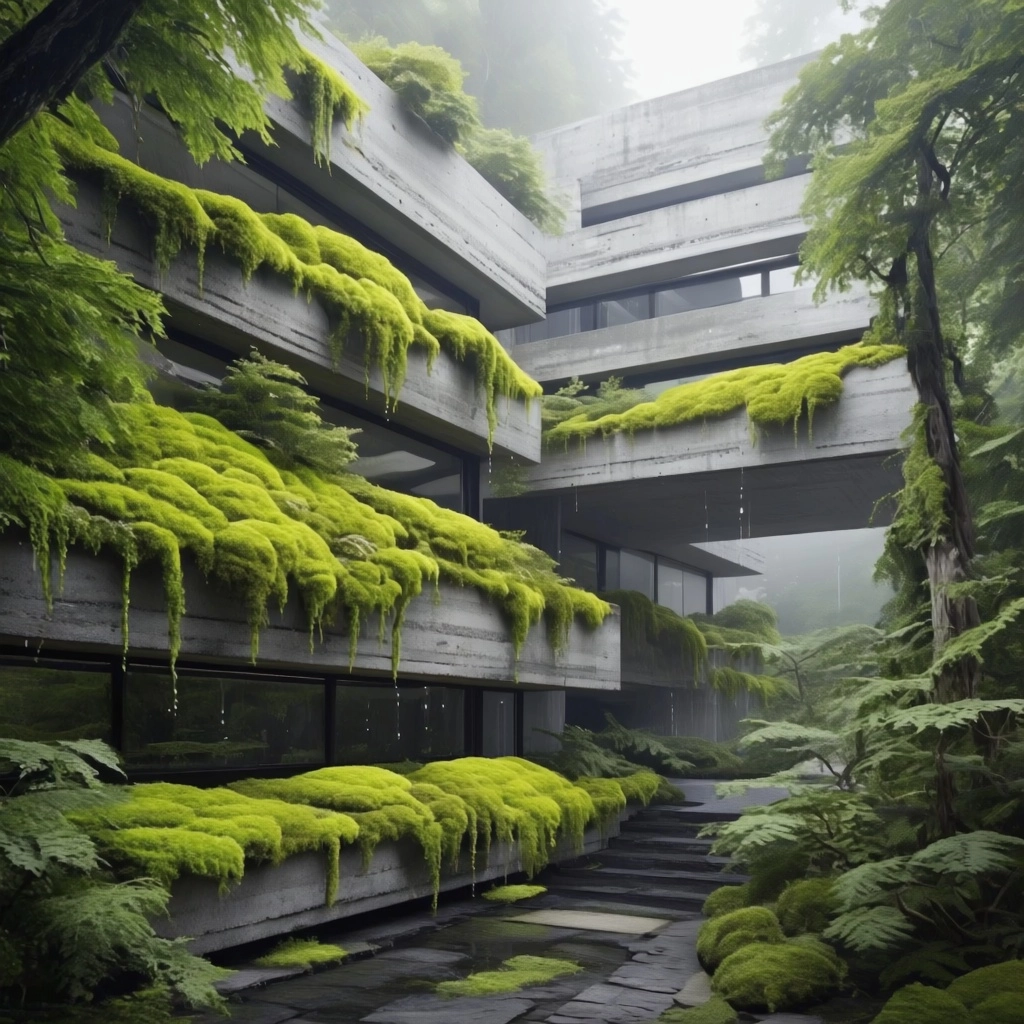
“Explore how Ervin Architecture, a leading Maine commercial architect, uses regenerative design and living materials to create buildings that restore ecosystems, reduce carbon, and help shape a resilient built environment. Learn how regenerative thinking is transforming commercial architecture in Maine and beyond.”
Regenerative Design & Living Materials: Building Beyond Sustainability
For decades, architectural sustainability has focused on reducing harm—lowering energy consumption, minimizing waste, improving insulation, and selecting materials with fewer environmental impacts. But with climate conditions changing rapidly and ecosystems under increasing stress, the industry is confronting a deeper question:
Is “less harm” enough?
A growing movement within architecture says no. Buildings must become restorative, not merely efficient. They must contribute to the health of local ecosystems, not just avoid damaging them. This philosophy—known as regenerative design—represents the next major evolution of sustainable architecture.
At Ervin Architecture, we believe regenerative design is essential to the future of commercial architecture in Maine. Our state’s natural beauty, wooded landscapes, working coastline, and ecological diversity make environmental responsibility not just a professional obligation, but a cultural expectation. As Maine communities push toward carbon neutrality and climate resilience, regenerative design offers a path forward that is both bold and achievable.
This article explores what regenerative design really means, how living materials play a pivotal role in advancing it, and how Ervin Architecture is embracing this approach to shape healthier, more resilient commercial buildings across Maine.
What Is Regenerative Design?
Regenerative design goes beyond sustainability. Instead of focusing solely on minimizing a building’s negative impacts, regenerative architecture seeks to create net-positive outcomes, meaning the building improves the environment in some measurable way.
Where sustainability asks:
“How do we reduce harm?”
Regenerative design asks:
“How can our buildings give back more than they take?”
This approach reframes the design process around the long-term vitality of:
• Ecosystems
• Communities
• Material cycles
• Energy systems
• Water cycles
• Local economies
Key Principles of Regenerative Design
A regenerative approach typically includes:
• Restoring soil and vegetation
• Improving biodiversity
• Sequestering carbon
• Harvesting more energy than the building consumes
• Improving water quality and watershed health
• Enhancing local materials cycles
• Creating social and economic resilience
In this model, buildings behave more like living organisms—participating in cycles, adapting to their environment, and supporting the health of the system around them.
Why Regenerative Design Matters in Maine
Maine presents a unique combination of opportunities and challenges. Our forests are among the most carbon-dense ecosystems in North America, our coastlines are both beautiful and vulnerable, and our commercial development often occurs in ecologically sensitive areas.
Several factors make Maine a natural home for regenerative design:
1. A Culture of Environmental Stewardship
Maine businesses and communities value local materials, local ecosystems, and long-term sustainability. Regenerative design aligns with Maine’s ethos of responsible growth.
2. Massive Carbon Sequestration Potential
With abundant timber resources, Maine is positioned to become a national leader in mass timber construction, one of the most effective carbon-sequestering building methods available today.
3. Coastal Resilience Challenges
Rising seas, storm surge, and changing weather patterns demand buildings that contribute to ecosystem strength—not just resist damage.
4. Regulatory Shifts Toward Low-Carbon Development
Maine has aggressive climate action goals. Regenerative design provides forward-focused solutions for developers, municipalities, and institutions aiming for compliance and long-term resilience.
For Ervin Architecture, regenerative principles help us design buildings that are truly in harmony with Maine’s landscape—buildings that are resilient, responsible, and inspiring.
Living Materials: The Next Frontier
One of the most exciting areas of regenerative design is the emergence of living materials—materials that grow, adapt, repair themselves, or support natural processes.
Living materials blur the line between biology and architecture. They include:
• Mycelium composites
• Bacterial biocement
• Algae bioreactors
• Plant-based insulation
• Self-healing concrete
• Bioluminescent biofilms (emerging)
These materials are renewable, low-energy, and often carbon-negative.
1. Mycelium Composites
Mycelium—the root structure of fungi—can be grown into dense, foam-like materials that are:
• Lightweight
• Fire-resistant
• Carbon-sequestering
• Insulating
• Compostable
Mycelium processes carbon as it grows, making it a powerful regenerative tool. It can be shaped into acoustic panels, insulation, or non-structural building elements.
2. Algae Façades
Algae can be integrated into building façades to:
• Produce oxygen
• Absorb CO₂
• Provide shade
• Generate biomass usable for energy
For coastal regions like Maine, algae is abundant and fast-growing—an ideal candidate for biomaterial innovation.
3. Mass Timber & Bio-based Structural Systems
Perhaps the most immediately viable regenerative material in Maine is mass timber.
Mass timber:
• Stores carbon for the lifetime of the building
• Has exceptional thermal performance
• Reduces construction waste
• Supports Maine’s forestry economy
For a Maine commercial architect, this is one of the most powerful tools available.
How Regenerative Design Works in Practice
Regenerative design influences every stage of a project—from concept to construction to long-term operation. Here’s how Ervin Architecture integrates regenerative thinking into our commercial and institutional projects.
1. Designing for Ecology First
Traditional design often begins with the building footprint. Regenerative design begins with ecosystems.
We study:
• Water flow
• Local plant species
• Pollinator supports
• Wildlife movement
• Soil quality
• Sun and wind patterns
Instead of placing a building on a site, we design a building with the site, allowing natural systems to flourish.
2. Material Life-Cycle Mapping
Every material has a story—from extraction to manufacturing to disposal.
We evaluate:
• Carbon footprint
• Durability
• Recyclability
• Biological compatibility
• Local availability
• Regenerative potential
For example, locally sourced timber might replace steel; mycelium panels might replace petroleum-based insulation.
3. Regenerative Water Strategies
Water is central to regenerative design. Strategies include:
• Bioswales
• Constructed wetlands
• Rain gardens
• On-site greywater reuse
• Permeable paving
• Roofwater harvesting
These systems improve water quality, reduce strain on municipal infrastructure, and help recharge local aquifers.
4. Energy-Positive Buildings
Regenerative buildings aim for net-positive energy, meaning they generate more energy than they use.
This might include:
• Solar photovoltaics
• Solar thermal systems
• Geothermal heating
• Passive solar strategies
• Advanced envelopes
• Natural ventilation
Energy-positive commercial buildings are becoming a realistic target thanks to AI-assisted performance modeling (covered in Blog 1).
5. Circular Material Flows
Regenerative design rejects the “take-make-waste” model. Instead, materials should either:
• Return to the biosphere (biological cycle)
• Re-enter manufacturing (technical cycle)
We specify materials that can be disassembled, reused, composted, or reprocessed into new building products.
The Business Case: Why Commercial Clients Benefit
Commercial developers in Maine gain several advantages from regenerative design:
1. Lower Long-Term Costs
• Reduced energy use
• Reduced stormwater fees
• Higher building durability
• Longer component lifespans
2. Higher Marketability & Tenant Demand
Businesses want healthier, greener spaces. Regenerative buildings command higher lease rates and attract strong tenants.
3. Investment Resilience
Buildings aligned with future carbon regulations retain value and avoid costly retrofits.
4. Positive Brand Identity
Operating in Maine means operating in a state that values natural heritage. Regenerative buildings broadcast a commitment to stewardship.
Regenerative Design in Maine: A Path Forward
Maine is uniquely positioned to become a national leader in regenerative commercial architecture.
Why?
• We have the forests
• We have the coastlines
• We have the materials
• We have the values
• And we have forward-thinking firms willing to innovate
Ervin Architecture aims to be part of this next chapter—designing buildings that are not just sustainable, but life-giving.
Conclusion: Moving From Sustainability to Regeneration
Regenerative design represents the future of architecture—a future where buildings enrich ecosystems, support human health, and strengthen local economies. With living materials, circular material strategies, and deep ecological integration, commercial architecture can become a powerful force for climate resilience and environmental renewal.
As a leading Maine commercial architect, Ervin Architecture is committed to advancing regenerative practices in every project possible. Our goal is simple:
Design buildings that make Maine stronger—ecologically, economically, and culturally.