Modular Construction, 3D Printing & Advanced Fabrication: The Future of Commercial Building in Maine
“Learn how Ervin Architecture, a leading Maine commercial architect, uses modular construction, 3D printing, and advanced fabrication technologies to deliver faster, smarter, and more sustainable commercial buildings. Explore how these innovations are shaping the future of construction across Maine.”
Modular Construction, 3D Printing & Advanced Fabrication: A New Era of Commercial Architecture in Maine
The construction industry is experiencing a profound shift. Traditional building methods—while still valuable—are becoming increasingly strained by rising labor costs, material shortages, tight project timelines, and growing sustainability pressures. As these challenges intensify, new construction methodologies are emerging that fundamentally redefine how buildings are conceived, fabricated, and assembled.
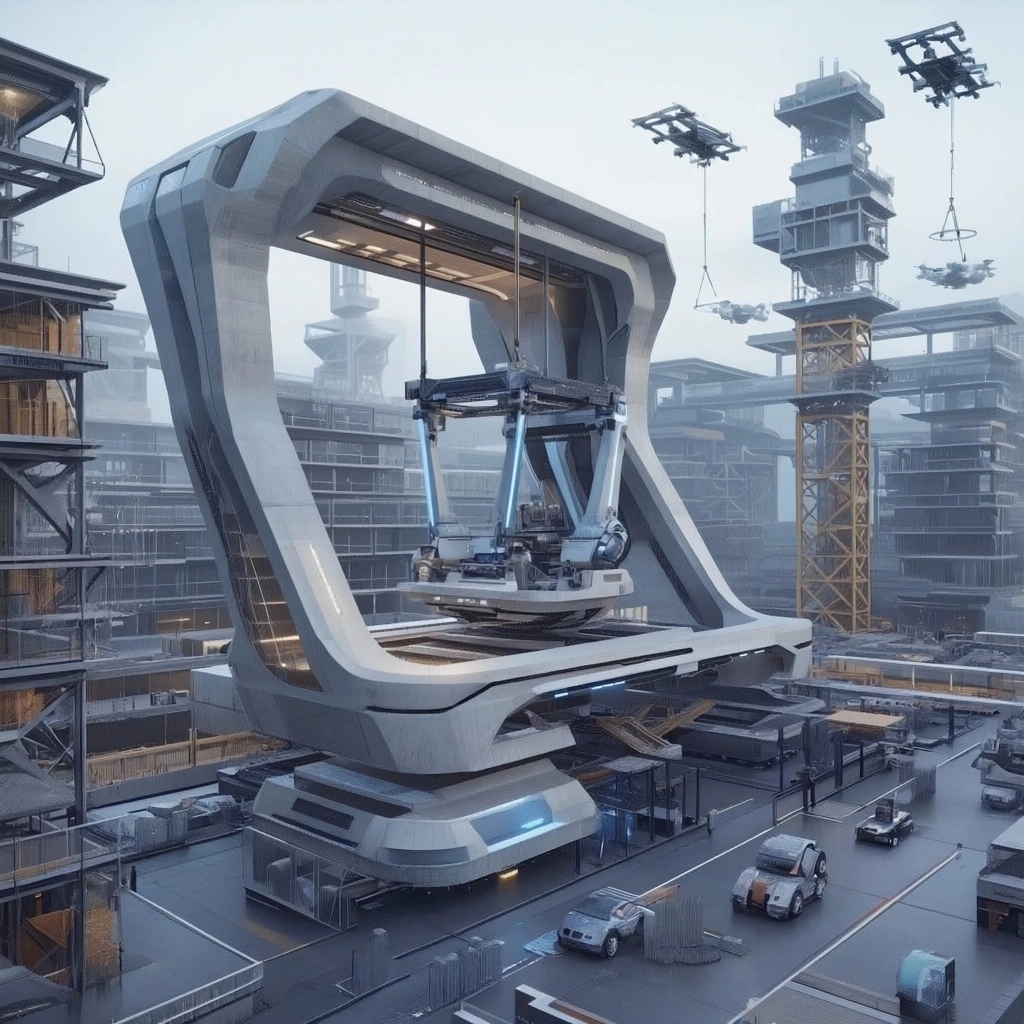
Modular construction, 3D printing, and advanced digital fabrication technologies are at the forefront of this transformation. These methods offer unprecedented opportunities for speed, efficiency, precision, quality, and sustainability. For Maine—where harsh weather, remote locations, and workforce constraints often complicate construction—these innovations are particularly impactful.
At Ervin Architecture, we integrate advanced fabrication methods into our commercial design process to deliver projects that are both visionary and highly practical. This article explores how these technologies work, why they matter, and how they are reshaping Maine’s commercial building landscape.
Understanding Modular Construction: Efficiency at Scale
Modular construction involves manufacturing building components—sometimes entire rooms—in a factory setting, then shipping them to the job site for assembly. Think of it as architectural prefabrication elevated to high precision.
There are two primary modular methods:
1. Volumetric Modular Construction
Complete 3D modules are built off-site, including:
- Walls
- Floors
- Ceilings
- Mechanical systems
- Electrical systems
- Interior finishes
These modules are then stacked or arranged on-site like building blocks.
2. Panelized Construction
Wall panels, floors, and roof assemblies are fabricated off-site, then assembled on-site.
This approach is efficient, cost-effective, and ideal for commercial, industrial, and institutional buildings in Maine.
Why Modular Construction Matters in Maine
Maine’s building environment presents unique challenges that modular construction can solve:
1. Short Construction Season
With long winters and unpredictable spring conditions, the ability to shift construction to controlled indoor environments dramatically reduces weather delays.
This is particularly important for:
- Coastal commercial projects
- Hospitality and housing developments
- Educational facilities
- Industrial expansions
Modular components built indoors avoid moisture damage, curing issues, and weather-related delays.
2. Workforce Shortages
Maine faces well-documented labor shortages in the construction sector. Off-site fabrication reduces labor demands on the job site and improves efficiency for local crews.
3. Improved Quality Control
Factory settings allow for:
- Better precision
- Controlled material storage
- Automated quality checks
- Reduced waste
- Consistent workmanship
This level of refinement is difficult to achieve with entirely on-site builds, especially during Maine’s winter months.
4. Faster Project Timelines
Modular construction allows site preparation and building fabrication to happen simultaneously.
This can reduce total project duration by 30%–50%, a major advantage for:
- Developers
- Hospitals
- Schools
- Hotels
- Retail centers
The faster a commercial building opens, the faster it generates revenue.
3D Printing in Architecture: Pushing the Boundaries of Fabrication
3D printing—also known as additive manufacturing—is emerging as one of the most disruptive technologies in architecture. Using extruded materials like concrete, polymers, or composite mixtures, 3D printers can create components that were once impossible or cost-prohibitive to fabricate.
While 3D printing in Maine is still early-stage, it holds immense potential for the region.
The Benefits of Architectural 3D Printing
1. Material Efficiency
3D printing uses precisely the amount of material needed.
No more.
No less.
This significantly reduces waste and embodied carbon—key goals for any Maine commercial architect.
2. Complex Geometry at Low Cost
Curved forms, parametric façades, and custom panels are traditionally expensive.
3D printing makes these forms:
- Faster to produce
- More affordable
- More repeatable
This opens up new architectural possibilities.
3. Reduced Labor Requirements
Automated printing systems reduce on-site labor needs—an advantage in Maine’s tight labor market.
4. Faster Construction of Specific Components
3D printing excels in:
- Wall assemblies
- Formwork
- Façade panels
- Interior partitions
- Acoustic elements
- Decorative components
This helps reduce construction timelines and lead times.
3D Printing Use Cases in Maine’s Commercial Sector
As the technology matures, 3D printing can support Maine’s commercial architecture through:
Coastal resiliency components
Customized wave barriers, erosion controls, and flood-resistant components.
Hospitality and tourism facilities
Unique structures that enhance guest experience.
Universities and research centers
Innovative buildings that showcase Maine’s commitment to technology and sustainability.
Industrial facilities
Rapid prototypes and production components for manufacturing and logistics.
Advanced Fabrication: CNC, Robotics & Mass Timber
Advanced fabrication includes CNC milling, robotic cutting, automated welding, and other digitally controlled manufacturing methods. These tools increase accuracy and efficiency while reducing waste.
For Ervin Architecture, advanced fabrication is a natural extension of a digital-forward design process.
Mass Timber: Maine’s Perfect Material for Digital Fabrication
Mass timber—CLT (cross-laminated timber), glulam beams, and LVL—is a cornerstone material for modern advanced fabrication. Maine’s vast forests and growing timber industry make mass timber an ideal solution for commercial buildings.
Benefits include:
- Carbon sequestration
- Low embodied energy
- Fast assembly
- Beautiful natural finishes
- Excellent structural performance
- Compatibility with CNC machining
- Support for Maine’s forestry economy
Mass timber + CNC fabrication enables incredible speed and precision—perfect for Maine’s climate.
How Ervin Architecture Uses These Technologies
At Ervin Architecture, our design process integrates modular planning, digital fabrication, and computational modeling from the earliest stages of each project.
1. Fabrication-Informed Design (FID)
We model buildings with fabrication constraints in mind from day one.
This shortens timelines and avoids costly redesigns.
2. BIM-to-Fabrication Workflows
We use building information modeling (BIM) to produce files that can be sent directly to:
- CNC fabricators
- Modular manufacturers
- Timber cutting robots
This reduces translation errors and improves quality.
3. Modular-Compatible Floor Plans
We design layouts that align with modular units, minimizing cutting and rework.
4. 3D-Printing Integration
We explore 3D printing for:
- Custom façade elements
- Interior acoustic structures
- Rapid prototyping for commercial clients
This accelerates concept development and improves client visualization.
5. Collaborative Off-Site Fabrication
We work with fabrication facilities across the region to coordinate off-site construction, resulting in faster builds and higher-quality outcomes.
The Business Case: Why Clients Benefit
For commercial developers in Maine, the advantages are powerful:
Faster construction = faster occupancy
Opening months earlier can significantly impact revenue.
Higher precision = lower lifecycle costs
Better quality reduces future maintenance issues.
Improved sustainability
Off-site fabrication cuts waste and supports low-carbon objectives.
Fewer delays
Weather, labor shortages, and supply chain issues have much less impact.
Predictable pricing
Factory-controlled environments dramatically reduce cost overruns.
Why Maine Will Be a Leader in Modular & Fabricated Construction
Maine’s commercial building industry stands to benefit enormously from these technologies due to:
- Climate constraints
- Increasing demand for sustainable construction
- Abundant timber resources
- Labor shortages
- Growing technology adoption in New England
- Economic incentives for sustainable development
Firms that embrace modular and advanced fabrication now will be at the forefront of Maine’s next architectural era.
Conclusion: Designing the Future with Precision and Purpose
Modular construction, 3D printing, and advanced fabrication techniques are transforming commercial architecture across the world—and Maine is uniquely positioned to lead this transformation.
At Ervin Architecture, we view these innovations not just as tools, but as strategic pathways toward:
- More sustainable buildings
- Shorter construction timelines
- Higher-quality outcomes
- Smarter use of local resources
- Lower costs for clients
- More resilient communities
As a forward-focused Maine commercial architect, Ervin Architecture embraces these advancements to deliver buildings that are efficient, beautiful, and built for the future.